
Steel Warehouse Insulation Guide for Canada

Checklist for selecting insulation, controlling air and vapour, and planning specs, costs and inspections for Canadian steel warehouses.
Read MoreOntario Steel Building Insulation Guide for Moisture

Prevent condensation in Ontario steel buildings: locate leaks, record temperature and RH, seal air leaks and design whole‑assembly insulation.
Read MoreCanadian Steel Reuse Data: What Studies Show

Explains recovery vs reuse, recycled-content differences, and which EPDs, MTRs and maintenance records buyers should request.
Read MoreRoof Assembly Fire Standards: Ultimate Guide

Buying steel panels without verifying the tested roof assembly risks non-compliance with S107 class, insulation, penetrations and permit rules.
Read MoreDo Steel Buildings Lower Energy Use in Canada?

Steel framing won’t cut bills alone – whole-building insulation, thermal breaks and airtightness determine energy savings.
Read MoreInsulated Metal Panels for Steel Buildings: Guide
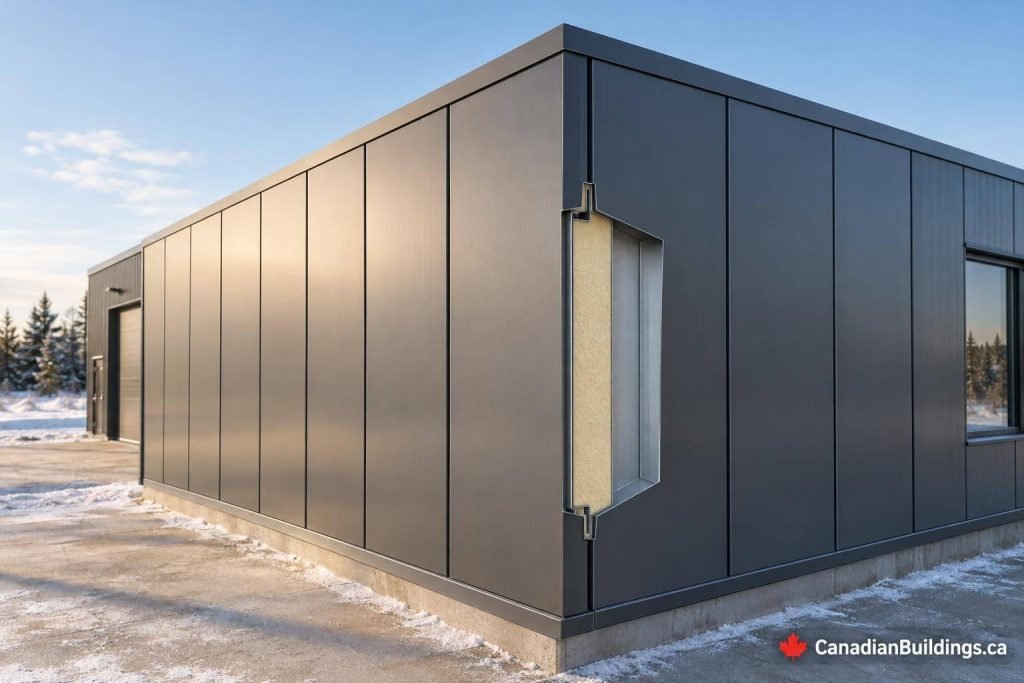
Practical guide to choosing insulated metal panels in Canada: cores, thickness, fire ratings, installation and total installed costs.
Read More10 Questions On Canadian Snow And Wind Loads
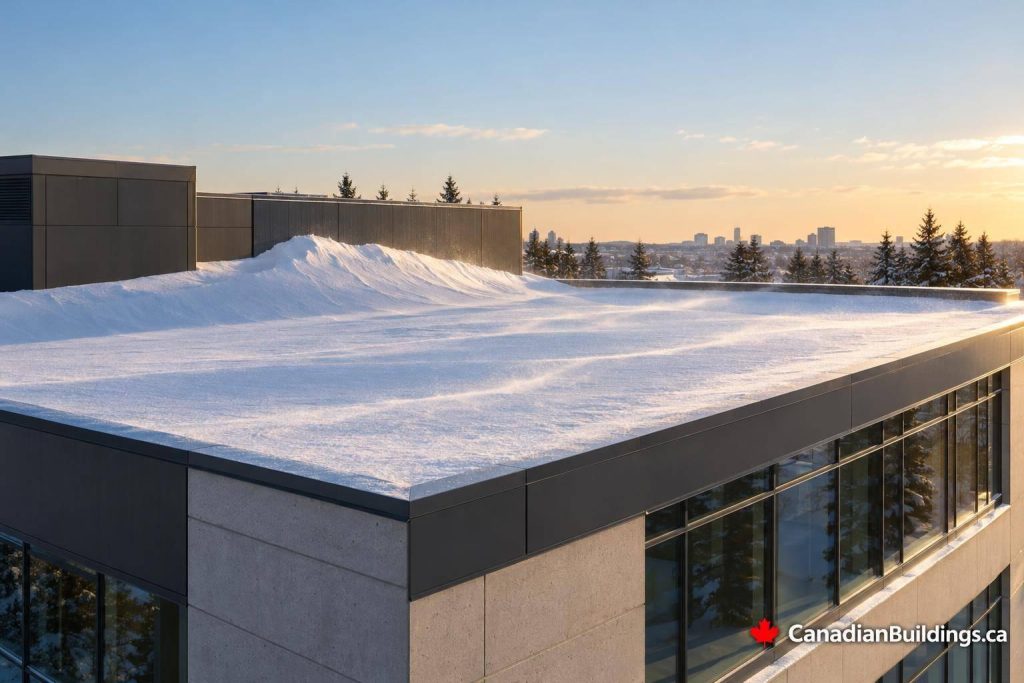
Checklist for site-specific Canadian snow and wind load checks, roof/drift calculations, wind load paths and required sealed engineering.
Read MoreWind Load Standards for Canadian Steel Buildings

NBCC-based site-specific wind design guidance for Canadian steel buildings: reference q, exposure, openings, load path and permits.
Read MoreSteel Building Sizes Canada: 7 Key Options

Practical size ranges, eave heights and planning tips for choosing steel building footprints and clearances in Canada.
Read MoreCanada Snow Load Zones for Steel Buildings

Site-specific snow, drift and code factors determine roof loads for steel buildings; confirm location, design assumptions and sealed engineering.
Read MoreIndoor Tennis Building Cost in Canada

Estimate total costs for multi-court indoor tennis facilities in Canada, covering shell, foundations, insulation, fit-out and contingencies.
Read MoreAcoustic Performance of Steel Wall Cladding

Specify complete steel wall assemblies—insulation, decoupling and sealed joints—to boost STC and reduce flanking noise.
Read MoreMini-Storage Size Trends: What Unit Mix Wins

Choose mini-storage unit mixes in Canada: when to use small, medium or 10×40 bays and which metrics to test for revenue.
Read MoreSteel Barndominiums: Fire and Pest FAQ

Steel barndominiums resist termites and ignition, but fire-rated assemblies, tight seals, and moisture control still determine real safety.
Read MoreHeat Pump vs Furnace: Steel Building Costs

Heat pumps often cut bills in well‑insulated steel buildings; furnaces or dual‑fuel systems are better for deep northern cold.
Read MoreMini-Storage Fire Risk Planning for Steel Sites

Practical fire-risk guidance for steel mini-storage: enforce tenant storage limits, use rated separations, and ensure emergency access.
Read MoreHow Door Frames Cut Heat Loss in Steel Buildings

How thermally broken frames, sealed perimeters, proper anchors and insulation reduce heat loss at steel building doors.
Read More7 Site Prep Tips Before Steel Building Install

Site prep controls fit, timing and cost: grade a raised pad, plan drainage, ensure access, allow concrete cure, verify anchors, stage laydown.
Read MoreCSA A660 Supplier Quality Programs

How CSA A660 certifies specific steel-building plants and what buyers must verify: certified plant, P.Eng project certificate, seals, and traceability.
Read MoreSpray Foam vs Fiberglass For Storage Buildings

Compare spray foam and fibreglass for Canadian steel storage buildings — R-value, condensation risk, cost, and best uses.
Read More