
Prefab Steel Buildings in Canada: A Complete Guide for Property Owners
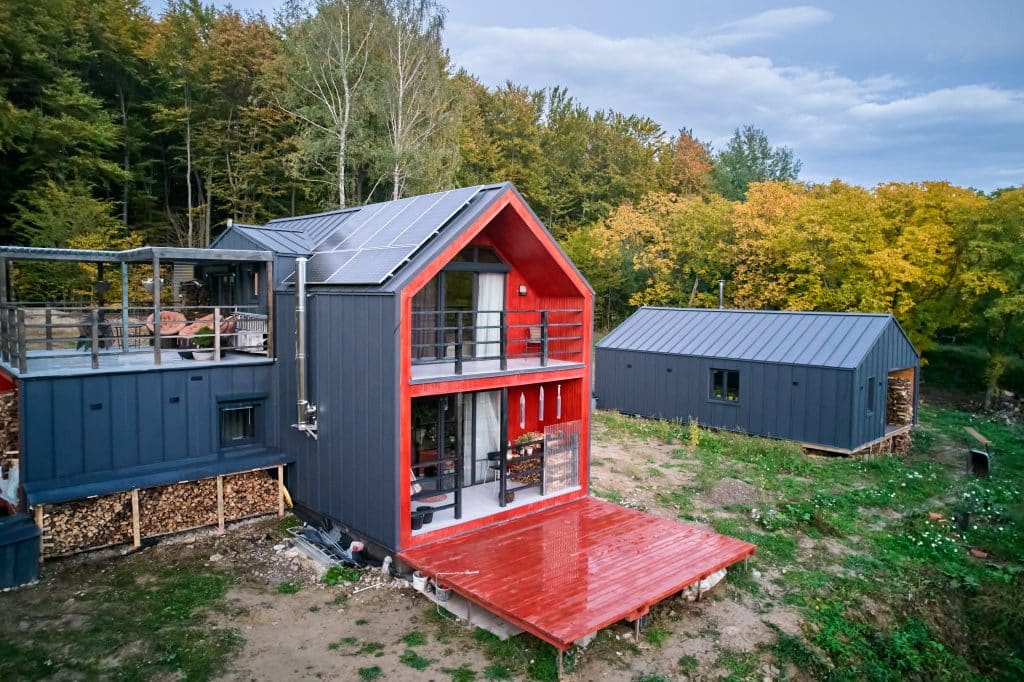
If you’ve driven across rural Canada, chances are you’ve seen them: neat, modern-looking steel structures sitting on farmland, outside busy warehouses, or even tucked away in small towns as retail shops. Prefab steel buildings have quietly become one of the smartest ways Canadians are building today, not only because they’re durable, but because they make sense in our climate and economy.
But what does that mean for you as a property owner? Let’s dig into the real-world benefits, costs, and considerations of prefab steel buildings in Canada.
Why Steel Makes Sense in Canada
Think about Canadian weather. One season you’re shoveling heavy snow, the next you’re dealing with spring rain, then heat waves, and in some regions, even salty coastal air. Traditional wood structures can warp, rot, or invite pests over time. Steel doesn’t have those weaknesses.
- Built for snow: Prefab buildings are engineered to handle serious snow loads.
- Faster construction: Because they’re manufactured off-site, most buildings go up in weeks instead of dragging on for months.
- Cost control: You save on labour, long-term maintenance, and even insurance in some cases.
- Flexible use: From farm sheds to modern offices, the design options are no longer “just big grey boxes.”
How Canadians Are Using Prefab Steel Buildings
Steel buildings are popping up everywhere, and not just for industrial use:
- Commercial spaces: Auto repair shops, breweries, or retail stores benefit from wide, open layouts.
- Agriculture: Barns and storage sheds that stay pest-free and dry.
- Warehouses: Perfect for logistics businesses that need tall ceilings and clear-span space.
- Homes & cottages: Yes, people are building stylish steel homes that don’t look “industrial” at all.

What Does It Cost?
Let’s talk numbers, the part everyone really wants to know.
- Small garage or workshop: $15,000–$30,000
- Mid-sized warehouse or shop: about $40–$70 per square foot
- Large commercial/industrial facilities: $80–$120 per square foot depending on upgrades
Don’t forget to budget for permits, land preparation, and interior finishing like plumbing and electrical. The steel frame is only part of the total project.
Navigating Codes and Permits
In Canada, you can’t just order a prefab kit and start building. Each province and municipality has its own requirements, but everything ties back to the National Building Code of Canada.
Before moving forward, make sure you:
- Confirm snow and wind load requirements in your area.
- Apply for the proper building permits.
- Ask your supplier for stamped engineering drawings approved for your province.
Skipping these steps could mean costly delays.
Making Your Building Energy Efficient
Steel by itself conducts heat and cold, so insulation is recommended. Depending on your budget and use, you’ll want to consider:
- Spray foam for a tight seal and excellent energy efficiency.
- Fiberglass batts as a cost-friendly option.
- Rigid board if you’re in a damp area where moisture resistance matters.
With the right setup, your prefab steel building can be just as comfortable as a traditional wood-frame structure.
Customization: Beyond the “Steel Box”
Today’s prefab buildings can be tailored to fit your vision:
- Choose exterior finishes that range from steel panels to brick or wood siding.
- Pick different roof styles depending on aesthetics and snow load needs.
- Add as many windows and glass fronts as you’d like, steel doesn’t mean dark or cold.
- Partition interiors however you want, thanks to the wide clear-span design.
You can make it look rustic, modern, or purely functional; the choice is yours.

Why Work With a Canadian Supplier?
Local expertise makes a huge difference:
- They understand Canadian codes and climate issues.
- Delivery is faster compared to importing kits.
- Many offer end-to-end service: design, engineering, delivery, and assembly.
That peace of mind is worth paying a little extra for.
Quick Tips for Property Owners
- Define your building’s purpose before shopping around.
- Get quotes from multiple suppliers and read the fine print.
- Ask about warranties (a good one lasts 20–40 years).
- Plan for the long term upgrades like insulation and ventilation.
FAQ: What Owners Ask Most
Are prefab steel buildings really cheaper?
Most of the time, yes. They cut down on labour and time, which usually makes them 30–50% less than traditional builds.
Can they handle Canadian winters?
When engineered correctly, they’re built for it, snow, ice, and all.
Do they rust?
Not if you choose galvanized or coated steel and keep up with basic maintenance.
How long do they last?
Many stand strong for 50+ years, far longer than wood-frame equivalents.
Final Word
Prefab steel buildings aren’t just a trend; they’re a practical, long-term solution that fits the Canadian landscape. Whether you need a garage in Alberta, a warehouse in Ontario, or a retail space in British Columbia, steel gives you speed, strength, and flexibility that’s hard to beat.
If you’re ready to take the next step, speak to a Canadian supplier who understands your region. The right partner will guide you from permits to completion, so you get a building that’s both practical and built to last.